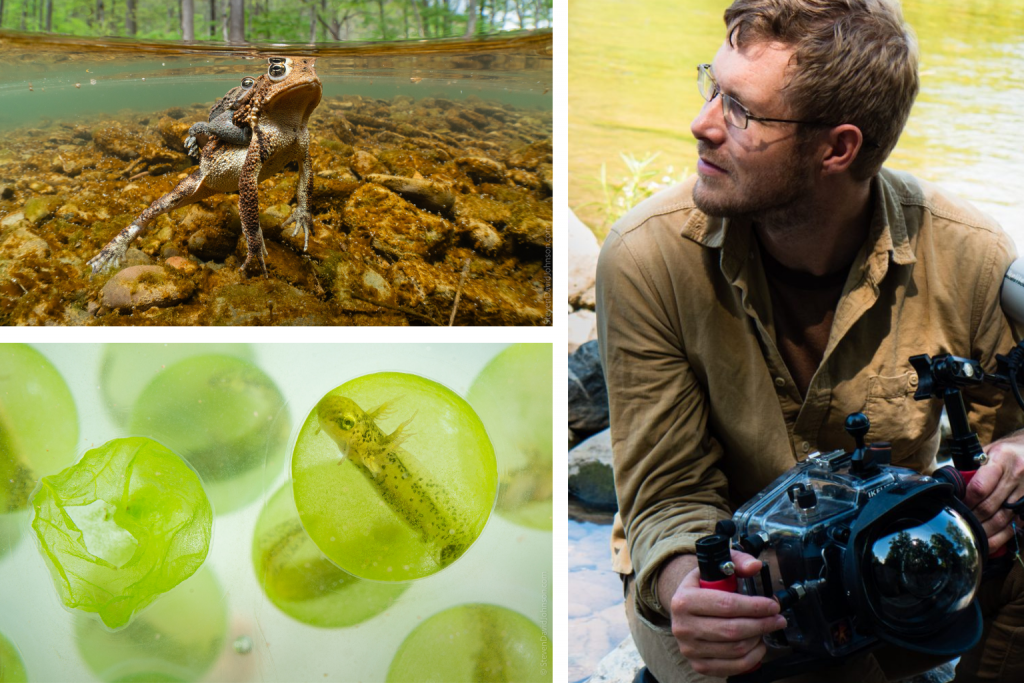
Steven Johnson, professor of Visual and Communication Arts (VACA) at EMU, continues to make a splash in the world of conservation photography. And, we’re not just talking about the vernal pools he’s been known to wade into.
The professor and photographer, whose colorful images of the seasonal ponds—and the aquatic life that inhabit them—have earned him 2023 Wildlife Photographer of the Year honors and graced the cover of Nature Conservancy Magazine, has been named an associate fellow of the International League of Conservation Photographers (iLCP).
Johnson was one of 16 accomplished photographers and filmmakers selected to join the iLCP’s associate fellow program for 2025, the nonprofit recently announced in a release. “Each of them brings exceptional skill in visual storytelling, a deep engagement with conservation initiatives and a strong dedication to advancing environmental awareness through their work,” the release states.
Established in 2005, iLCP supports environmental and cultural conservation through ethical photography and filmmaking. Its fellows are a group of professional wildlife, nature, and cultural visual storytellers who, “in addition to displaying remarkable photographic and filmmaking skills, have each demonstrated a deep commitment to conservation efforts around the globe,” according to its website. These 120+ fellows, based in 26 countries and working in 190 countries, “shine a light on issues ranging from endangered flora and fauna to climate change to ocean health.”
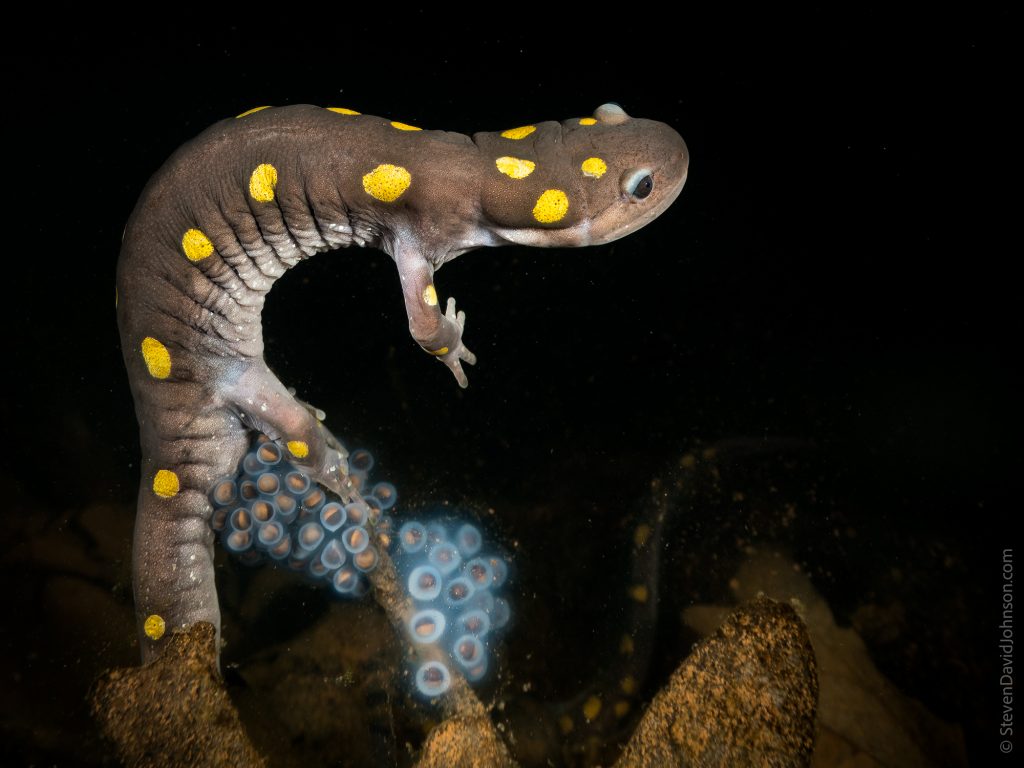
For Johnson, conservation photography allows him to share the same sense of wonder he feels when encountering other creatures in the natural world. “Millions of animal and plant species coexist on Earth, but very few of these species enter our consciousness; that invisibility is a big problem when it comes to conservation,” he said. “Even in the midst of an extinction crisis, most of our news and political discourse is very human-centered. Using visual communication to advocate for the natural world is a way to challenge that narrative and look for ways to share the planet with the ‘more-than-human’ world.”
The EMU professor had been an affiliate for iLCP for a number of years where he served as a technical consultant and also connected EMU students to its photographers and staff. As a fellow, he will attend the organization’s signature event, WildSpeak D.C., in mid-November, which brings together conservation photographers, filmmakers, scientists, advocates, and communicators from around the globe as they share powerful stories and solutions for a sustainable future.
“It’s definitely affirming to be a part of a fellowship of passionate and committed peers in the conservation photography world,” Johnson said.
Michael Horst, dean of Behavioral, Health and Natural Sciences at EMU, said Johnson’s work brings viewers face to face with the miraculous elements of the natural world that might otherwise be overlooked, creating an emotional connection that heightens the importance of protecting and conserving it.
“At EMU, we know the importance of deeply cultivating sustainable practices,” Horst said. “For those who need encouragement, Steve’s work can make a big difference.”
About the professor
Johnson came to EMU in 2005 and started one of the few full-semester conservation photography courses offered to undergraduates in the U.S.
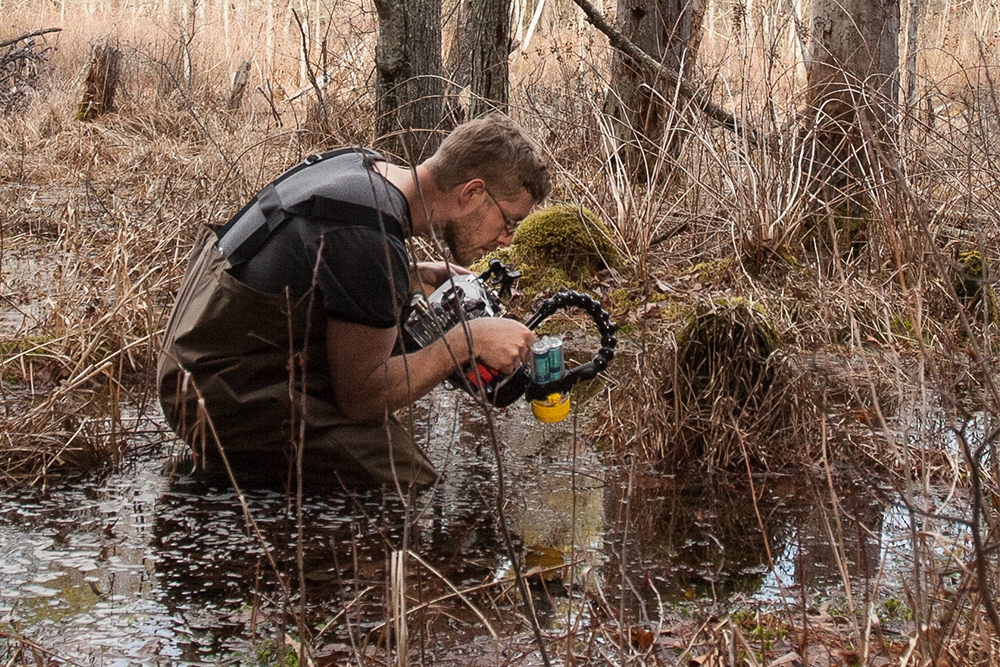
He holds an MFA from Savannah College of Art and Design and serves on the advisory board of the Virginia Wildlife Committee and Girls Who Click. At EMU’s VACA department, he teaches digital media classes and a specialized course on conservation photography. When he’s not in his office, he can often be found crouched next to a vernal pool or kayaking the North Fork of the Shenandoah River.
His images of the natural world have appeared in Wildlife Photographer of the Year, National Wildlife Magazine, Nature Conservancy Magazine, Ranger Rick, Virginia Wildlife, bioGraphic, Orion, National Science Teaching Association Press books, and numerous conservation publications and journals. His long-term project exploring vernal pools was highlighted by the Southern Environmental Law Center in “The wonder of wetlands and 5 Southerners working to protect them” (selc.org).
Johnson said one of his favorite things about teaching is that EMU and VACA allow for so much innovative, interdisciplinary practice. For example, in his conservation photography class, he teaches a mix of photography, digital media, and science students.
“In some places, the sciences and arts barely mix,” he said. “Here, I can talk to science students about making compelling images and teach visual arts students about vernal pools.”
Johnson will teach the class in conservation photography again during the fall 2026 semester.
View more of his photography at stevendavidjohnson.com.
EMU is so blessed to Have Steven!
Congratulations, Steven! I have enjoyed your work immensely, and am delighted to hear you have been welcomed into the ILCP! Best Wishes for continued success!
Highly deserved honors. Congratulations, Steven!
Congratulations Steve! When I see your work on NANPA or other places, I am always inspired.